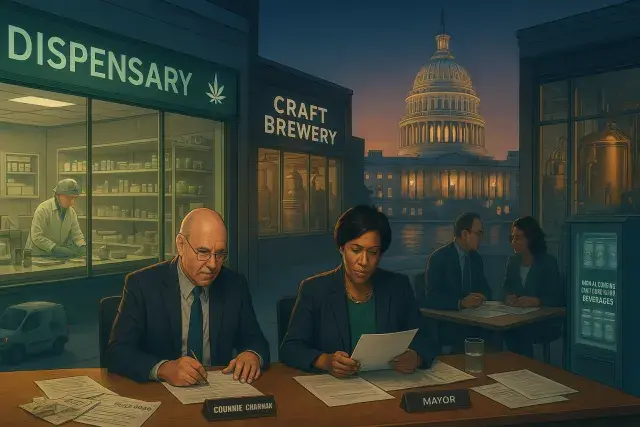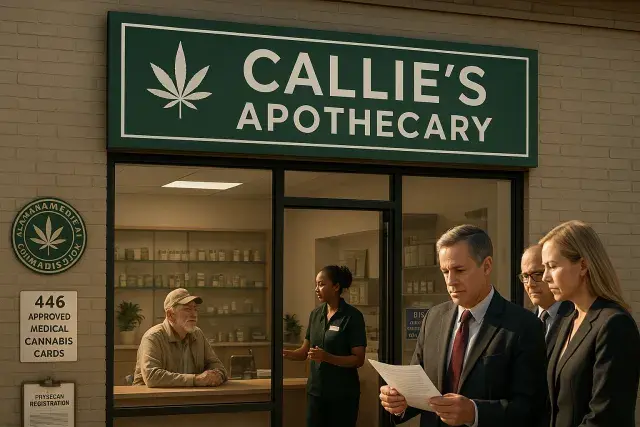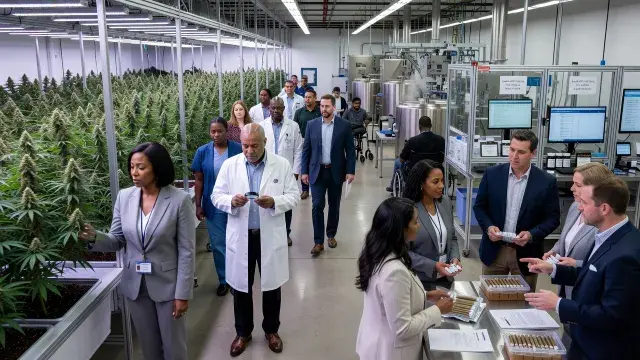
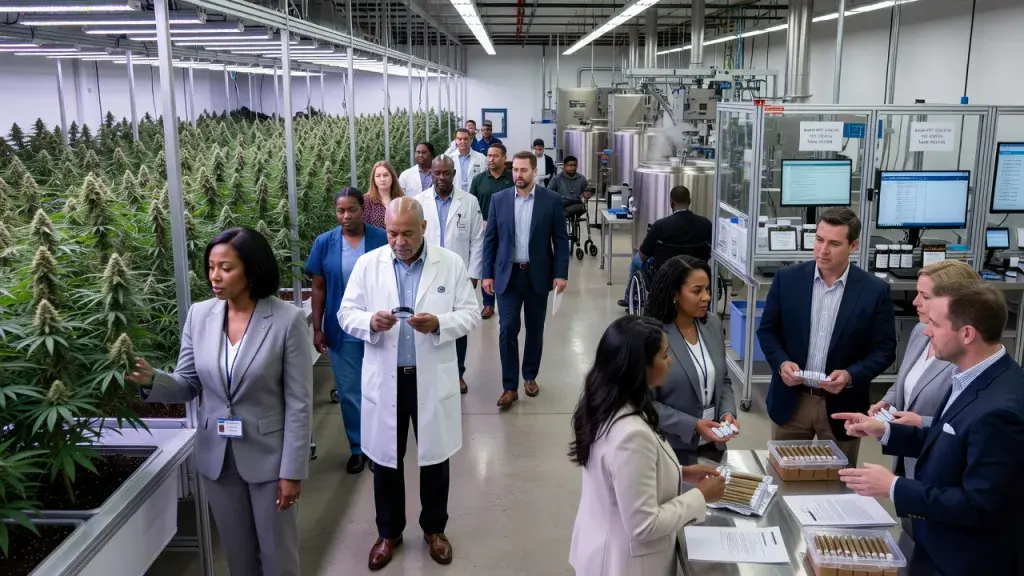
A decade after Georgia legalized medical cannabis, the program remains narrow, and operators say the state's reluctance to expand it is starting to show. In Macon-Bibb, Georgia Fine Fettle recently walked lawmakers, physicians, and patients through its cultivation and production facility, an attempt to demystify a supply chain that many legislators have never actually seen up close.
The company is one of only three licensed medical cannabis operators in Georgia authorized to grow, manufacture, and distribute product to dispensaries statewide - a tightly capped market compared with adult-use states where license counts run into the hundreds. That scarcity shapes everything downstream: wholesale pricing, product form availability, and how quickly patients can get consistent batches. Operators managing compliant packaging, batch testing, and seed-to-sale tracking under Georgia's limited license structure face very different economics than multi-state operators running dispensaries with modern point-of-sale infrastructure; in more mature markets, tools like a cannabis point of system illinois operators use for inventory and compliance logging show how far retail technology can go once a program matures past its early, restrictive phase.
Why the Legislation Keeps Stalling
Senate Bill 220 and House Bill 227 both aimed to expand Georgia's medical cannabis program - easing the process for patients to obtain a medical cannabis card and updating allowable product forms. Both stalled in their chambers. That's not unusual for cannabis reform bills in conservative-leaning legislatures, where lawmakers often face political pressure to move cautiously even when clinical and patient testimony supports expansion. The result, though, is a program that has technically existed for ten years but still can't fully serve the patient population it was built for.
What Facility Tours Actually Accomplish
Judson Hill, market president of Georgia Fine Fettle, framed the tour as an educational opener rather than a lobbying push. State Representative Anissa Jones, who took part, said seeing the controlled production process firsthand changed her understanding of what a licensed medical cannabis operation looks like - not informal cultivation, but a regulated system built around repeatable, testable product. That distinction matters for policymakers weighing expansion: a controlled, lab-tested supply chain is a fundamentally different risk profile than the unregulated market lawmakers often picture.
The Access Gap Physicians Are Flagging
Dr. Elmore Alexander's comments point to a narrower but persistent problem. He estimates existing products adequately treat a large majority of patients, but a smaller, medically complex group needs product forms and formulations the current program doesn't yet allow. For operators, that gap represents both a compliance constraint and a market signal: expanding allowable product types would mean new manufacturing processes, updated lab testing protocols, and revised labeling - none of which happens without legislative action first.
What This Means for Georgia's Cannabis Market
- License scarcity keeps wholesale supply concentrated among three operators, limiting competitive pricing pressure.
- Stalled bills delay product-form diversification, keeping some patient needs unmet.
- Patient card access barriers slow enrollment growth, affecting dispensary volume projections.
- Physician and patient testimony is becoming a more visible lobbying tool as operators seek legislative movement.
Fair enough to say Georgia's program has grown slowly by design. But operators, physicians, and patients pushing lawmakers toward SB 220 and HB 227-style reforms suggest the current framework is being tested by demand it wasn't originally built to handle.