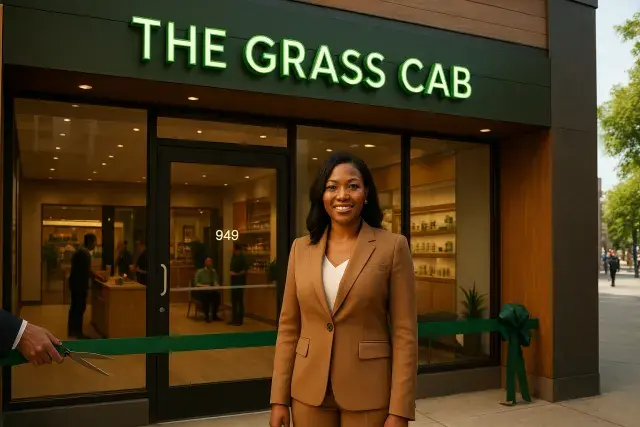
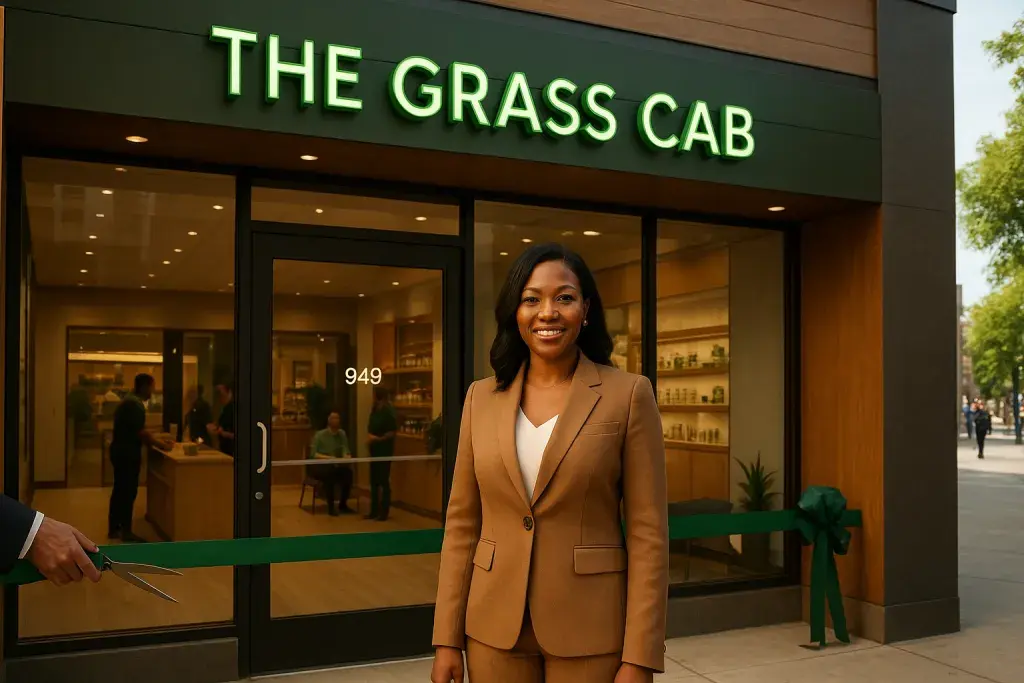
The Grass Cab, a boutique cannabis dispensary founded by television producer Shavon Sullivan Wright, is set to open July 11 at 949 Spring Valley Road in Maywood, New Jersey. The launch marks a deliberate departure from the transactional, clinical retail model that still defines much of the adult-use dispensary sector - and it arrives at a moment when differentiation in regulated cannabis retail has become an operational priority, not just a branding exercise.
Wright brings more than two decades of high-stakes production experience to the store, including work on NBC's Olympic broadcasts, six seasons of "The Apprentice," and a four-part OWN Network series that earned her an Emmy in 2019 - the network's first. That production discipline shapes how she's approaching retail operations: staffing, vendor coordination, customer flow, and opening-day execution all carry the same logistical weight as a live broadcast. For operators watching how new licensees enter the market, tools like IndicaOnline in Ohio reflect the kind of point-of-sale infrastructure that hospitality-minded dispensaries increasingly rely on to manage compliance requirements without sacrificing the customer experience at the floor level.
Hospitality Retail in a Heavily Regulated Environment
The "social hub rather than a transaction" framing Wright uses for The Grass Cab is more than positioning language. It signals a specific operational model - one where floor staff function closer to retail consultants than order processors, where the physical environment carries aesthetic weight, and where cannabis education is part of the service offering. That's a meaningful design choice in New Jersey's adult-use market, where dispensaries operate under strict compliance requirements governing everything from compliant packaging and age verification to advertising restrictions and product labeling.
New Jersey's Cannabis Regulatory Commission oversees licensed operators, and the rules around consumer-facing retail - signage, promotional materials, in-store events - leave limited room for ambiguity. Running wellness and lifestyle activations alongside a public ribbon-cutting, for instance, requires careful attention to what is being activated and how products are represented in that context. The distinction between a general retail experience and a cannabis product promotion matters from a compliance standpoint. Wright's production background, which involves managing large public events across regulated broadcast environments, is arguably useful preparation for exactly that kind of operational discipline.
Location, Foot Traffic, and the Economics of Boutique Cannabis Retail
The store's location between Westfield Garden State Plaza and Bergen Town Center gives it access to two of the region's higher-traffic retail corridors. That's not incidental. Small-format, independent dispensaries - particularly those without the wholesale pricing advantages that multi-state operators carry - depend heavily on organic consumer discovery and repeat visits. A well-positioned storefront in a dense retail zone can reduce the customer acquisition burden that weighs on boutique operators who can't absorb the cost of large advertising campaigns.
The thing is, boutique cannabis retail is expensive to run well. With eight employees at launch - four full-time, four part-time - The Grass Cab is operating lean. Staffing costs in regulated retail don't scale simply; compliance training, responsible-consumption education requirements, and budtender certification all carry overhead that doesn't appear on a standard retail P&L. Add the tax burden that cannabis businesses carry under federal 280E provisions, which disallow standard business deductions for plant-touching operators, and the margin structure for an independent dispensary becomes tighter than most comparable consumer retail formats.
Social Equity and Ownership Representation in Licensed Cannabis
The Grass Cab is Black woman-owned and operated - a data point that carries weight in a state where social equity licensing has been part of the regulatory framework. New Jersey's cannabis law includes provisions designed to support applicants from communities disproportionately affected by prior enforcement. Wright's profile as a Maywood native and established professional brings local credibility and an ownership story that resonates well beyond the store's four walls.
What's striking here is the discipline Wright is bringing from an industry that punishes operational failure publicly. A live broadcast error is irreversible. So is a compliance violation on opening day. The same precision required to produce an Olympic broadcast - logistics, timing, accountability, contingency planning - translates directly into running a dispensary where inventory tracking, age verification, and responsible retailing aren't optional. The Grass Cab's opening isn't just a local retail story. It's a case study in what happens when production-grade operational thinking meets the regulatory demands of licensed cannabis retail.