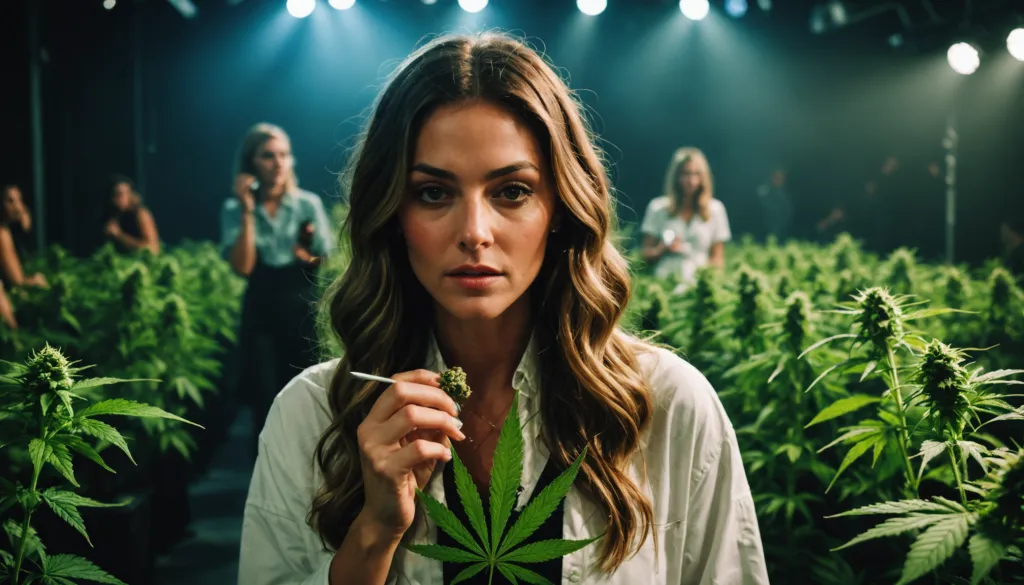
A Jacksonville, Florida fashion show turned into a public safety incident after two attendees - including a 17-year-old volunteer - were hospitalized following what their toxicology reports indicate was accidental marijuana ingestion. The alleged source: a bakery vendor operating at the event who, according to witnesses, distributed sample desserts from a table inside the venue. The vendor denies the claims. Law enforcement has referred the matter to its narcotics unit.
The incident draws a sharp line between the regulated cannabis market and the gray zone where unlicensed cannabis-infused products sometimes circulate - a problem that compliance professionals in legal states have been tracking for years. In regulated markets, every edible sold through a licensed dispensary must carry compliant packaging, a certificate of analysis, accurate potency labeling, and child-resistant containment. A system like cannabis pos maryland illustrates how seriously licensed operators in adult-use and medical states approach point-of-sale compliance - tracking product, age verification, and transaction data at every step. What allegedly happened in Jacksonville represents the exact opposite: an unverified product, no disclosed ingredients, no lab testing, and no age check.
According to accounts reported to local news outlet Action News Jax, fashion designer Kenjulia Anderson said the vendor - identified as Detra Earnest of The Swookie Cookie - offered samples described as organic sweet potato cookies. Both Anderson and the teen volunteer ate the samples. Both ended up in the emergency room. Toxicology documents they shared show positive results for marijuana or cannabis. Earnest, when asked directly whether her products contained marijuana, THC, or cannabis, said no. She described her "infused" products as containing sweet potatoes and edible gold flakes - nothing more. The Jacksonville Sheriff's Office confirmed the matter has been handed to its narcotics unit.
What the Incident Exposes About Unlicensed Edible Distribution
Here's the thing: incidents like this one don't happen inside licensed dispensaries. They happen in the gaps - at pop-up markets, private events, informal vendor tables, and online side businesses operating outside any regulatory framework. Florida has a medical cannabis program but has not yet implemented adult-use sales. That means any cannabis edible sold or distributed outside of a licensed medical dispensary is, by definition, operating outside the law - no lab testing, no dosage disclosure, no age verification, no oversight.
The risk to the public is not abstract. Edibles metabolize differently than inhaled cannabis, and onset can be delayed. A person who doesn't know they've consumed THC has no way to prepare for or manage the experience. For a minor, that's a medical emergency. For a vendor operating without a license, it's a potential criminal matter. For the event organizer - who issued a public statement noting the vendor's application disclosed no cannabis-infused products - it's a liability exposure that no waiver language fully covers.
The Compliance Infrastructure That Licensed Operators Take for Granted
Licensed cannabis retailers operate inside a dense compliance architecture that most consumers never see. Every product on a dispensary shelf must be tested by a state-licensed laboratory and carry a COA - a certificate of analysis - documenting cannabinoid potency and the absence of contaminants. Packaging must meet child-resistance standards and carry required warnings. Point-of-sale systems log every transaction and, in states with seed-to-sale tracking mandates, report data to state regulators in near real time. Age verification is not optional; it is a license condition.
None of that infrastructure existed in the Jacksonville scenario. That's the structural problem unlicensed edible distribution creates - not just for consumers, but for the licensed market trying to operate responsibly next to it. When an unlicensed operator causes harm, the regulatory and public perception fallout often lands on the legal industry as well.

What Event Organizers and Vendors Need to Understand
The "Bring em out Duval" organizer's public statement noted that no cannabis-infused products were disclosed on the vendor application. That's a standard operating gap at general-market events that haven't explicitly addressed cannabis. In a state like Florida, where cannabis retail is restricted to licensed medical dispensaries, an event vendor selling or distributing any cannabis product - even informally, even as a sample - is operating outside the law regardless of what the application says.
Event producers running markets, pop-ups, or trade shows in any state should treat vendor disclosures about food products the way licensed retailers treat product intake: with documentation, lab test requirements, and explicit prohibitions on any ingestible product containing controlled substances. That's not overcaution. That's what a defensible liability position actually looks like.
The Jacksonville case remains under active law enforcement review. Whatever its outcome, the operational lesson is already clear: the absence of a license, a COA, and compliant labeling doesn't just create legal exposure - it puts people in the hospital.