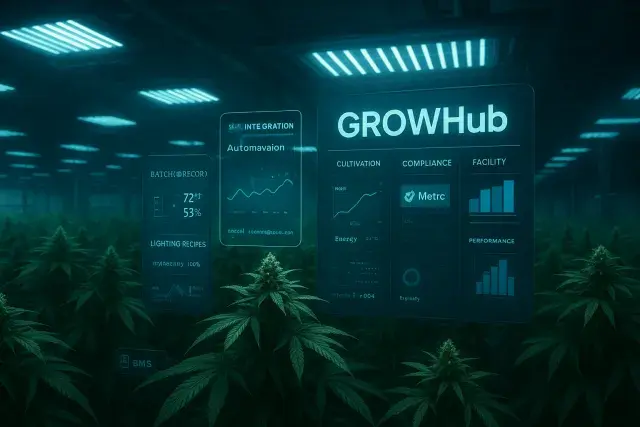
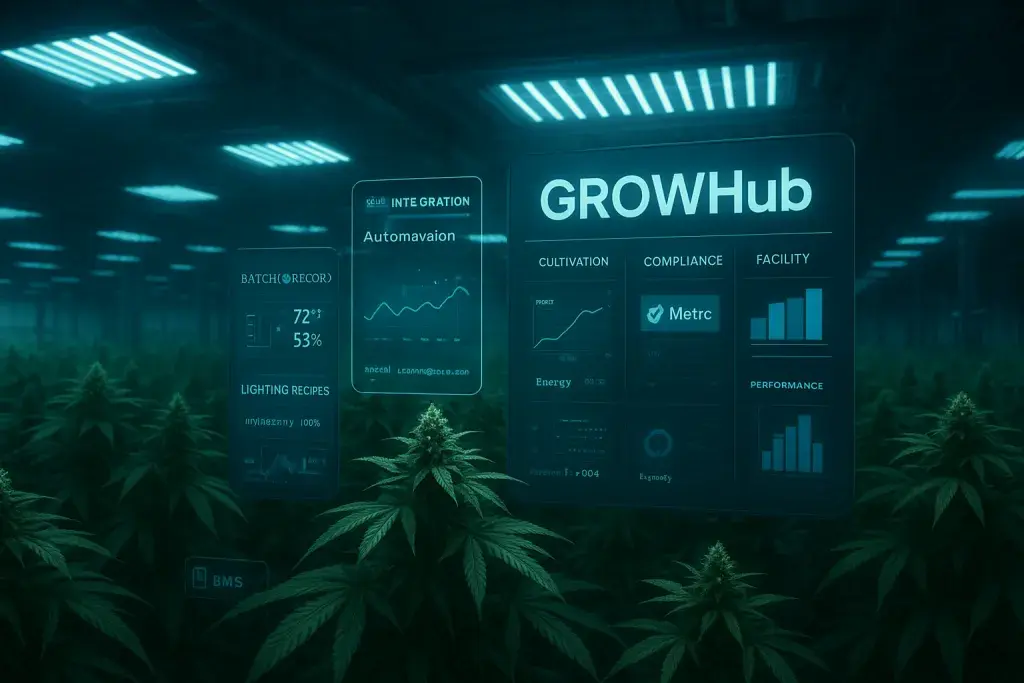
TSRgrow has rolled out a significant expansion of GROWHub, its cultivation software platform, adding analytics, energy monitoring, batch-record tools, Metrc integration and building-system connectivity ahead of 2026. The update matters because it addresses a persistent operational headache for commercial cultivators: cultivation data, compliance records and facility performance metrics have historically lived in separate, disconnected systems. Bringing them together under one platform is a meaningful shift for operators trying to run tighter, more auditable grows.
The cannabis supply chain has always been data-heavy, but growers have lagged behind dispensaries in centralizing that information. Retail operations adopted integrated point-of-sale and inventory platforms years ago - the same logic that drives a retailer toward marijuana dispensary management software ohio operators use to reconcile sales, tax reporting and seed-to-sale tracking in one place. Cultivation has been slower to catch up, with lighting controllers, environmental sensors and compliance recordkeeping often operating as separate, non-communicating systems. GROWHub's expansion is essentially an attempt to close that gap at the grow level. marijuana dispensary management software ohio
Why Batch Records and Metrc Integration Matter
Expanded batch-record functionality lets cultivation teams organize environmental conditions, lighting settings and operational data around specific crop cycles rather than reconstructing that history after the fact from spreadsheets. Pairing that with Metrc integration connects cultivation-floor activity directly to state track-and-trace requirements, which is where a lot of operators still struggle. Manual data entry between cultivation logs and compliance software is a common source of discrepancies, and discrepancies are exactly what invite scrutiny during audits or inspections.
Here's the catch with compliance in cultivation: regulators don't just want proof that a plant was tracked from clone to sale. They increasingly want documentation of how it was grown - light intensity, photoperiod changes, environmental adjustments - especially as testing requirements and enforcement expectations tighten. A system that generates that record automatically, rather than relying on a cultivation technician's notes, gives operators a more defensible paper trail if a batch is ever questioned.
Energy Data as a Business Metric, Not Just a Utility Bill
Indoor cultivation is energy-intensive, full stop. Lighting, HVAC and dehumidification represent some of the largest line items in a facility's operating budget, and energy costs directly affect margin in a market where wholesale pricing is already under pressure in many states. By connecting GROWHub to TSRgrow's Remote Power infrastructure and broader Building Management Systems, operators can now evaluate energy consumption alongside yield and quality data rather than treating utility costs as a separate accounting exercise.
That connection has practical value beyond the power bill. If a facility can correlate lighting recipes with both crop outcomes and energy draw, it gains a clearer picture of which cultivation strategies are actually efficient - not just productive. In an industry still absorbing the tax burden of Section 280E, every operational efficiency that trims overhead carries outsized weight on the balance sheet.
What This Signals for Multi-State Operators
For larger, multi-facility operators, the appeal is standardization. Building lighting recipes by cultivar, room or growth stage, and applying them consistently across sites, supports the kind of repeatable production that investors and compliance teams both want to see. As federal rescheduling discussions continue and regulatory scrutiny shows no sign of easing, cultivators with clean, centralized, traceable records will be better positioned than those still piecing together compliance history from disconnected logs after the fact.