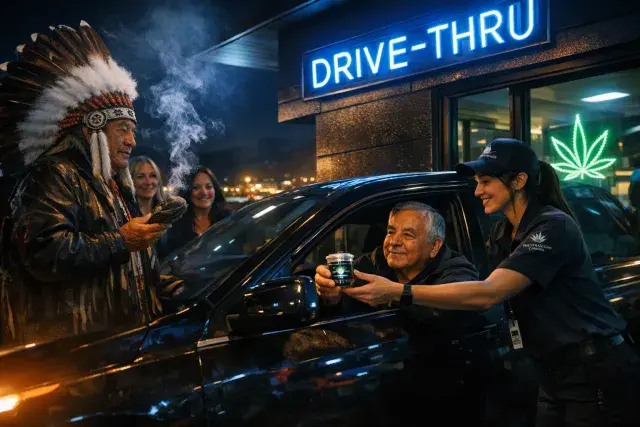
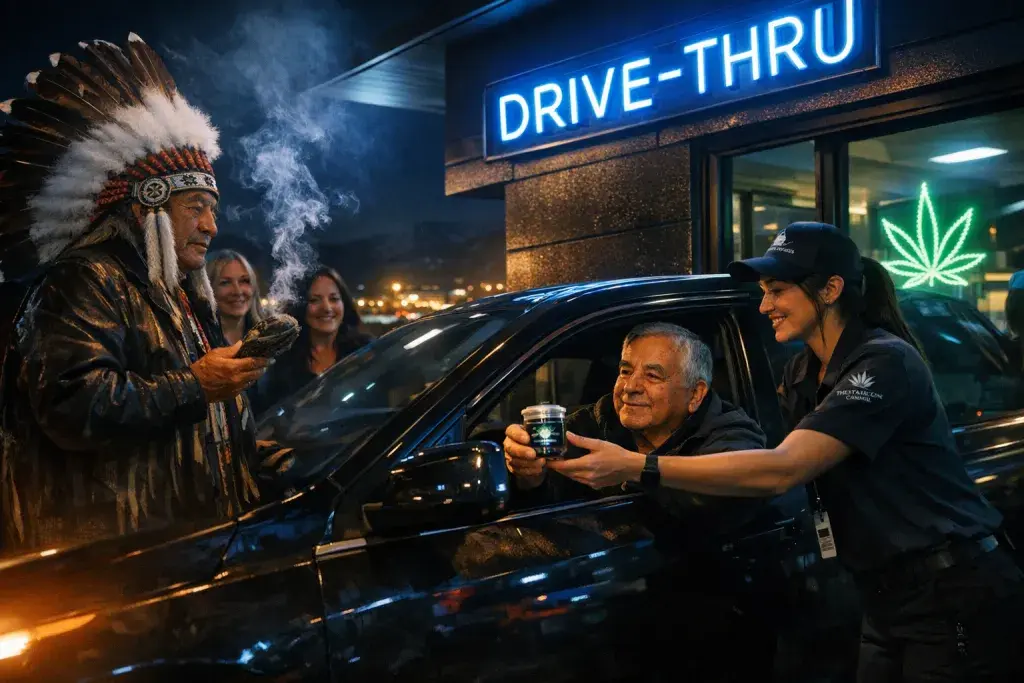
Reno-Sparks Indian Colony launched its Three Nations Cannabis dispensary with a soft opening Saturday, marking the city's first drive-thru marijuana outlet. Tribal members opened the event with prayers and music, honoring cultural traditions before Chairman Arlan Melendez made the inaugural purchase—a cream for his shoulder pain. Local leaders, including Reno Mayor Hillary Schieve and City Council member Naomi Duerr, attended to celebrate this step in tribal economic self-determination.
Cultural Roots and Facility Transformation
The Reno-Sparks Indian Colony, a federally recognized tribe of Paiute, Shoshone, and Washoe descendants, owns and operates Three Nations Cannabis through its wholly tribally owned Three Nations Management Corporation. The 12,000-square-foot facility at 11570 S. Virginia St. occupies the site of a former Infiniti dealership, repurposed to host drive-thru lanes that began service Saturday. Indoor retail space remains closed until April, reflecting a phased rollout that prioritizes controlled access amid Nevada's regulated cannabis market.
Economic Expansion and Community Impact
Chairman Melendez emphasized the dispensary's role in RSIC's diversification strategy. It creates well-paying jobs for tribal members and the public, freeing resources for elder care, education, health services, housing, infrastructure, language preservation, culture, and youth programs. This builds on established Tribal Smoke Shop businesses, with a second drive-thru dispensary set for March 12 in Verdi at a former Taco Bell near Gold Ranch, and a third planned for Spanish Springs.
Tribal Sovereignty in Nevada's Cannabis Landscape
Tribal cannabis ventures like Three Nations highlight sovereign nations' authority to regulate marijuana sales on their lands, distinct from state frameworks. Nevada legalized recreational cannabis in 2017, spurring a robust industry, yet tribes maintain independent operations under federal recognition. These initiatives counter historical economic constraints, channeling revenue into community priorities and signaling broader trends where indigenous groups pursue self-reliance through emerging markets.