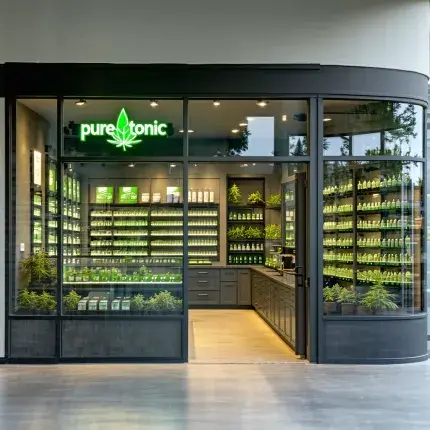
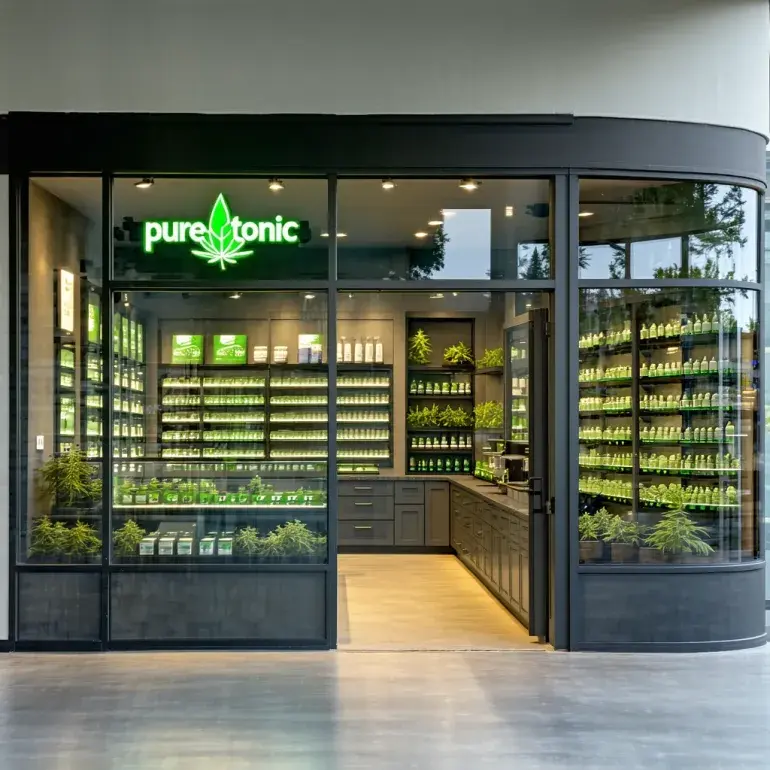
Pure Tonic has opened Storey County's inaugural cannabis dispensary at the Tahoe Reno Industrial Center (TRI), marking northern Nevada's first 24-hour operation. This development caters to the area's booming industrial workforce, offering swift, discreet service amid Nevada's expanding legal cannabis market.
Streamlined Service for Industrial Workers
President Jacob Ward emphasizes quick ordering, discrete purchases, and fast fulfillment tailored for TRI employees—many of whom juggle long shifts at facilities like Tesla's Gigafactory. Located on USA Parkway, roughly 25 minutes from Reno, the dispensary matches urban competitors in products and pricing while prioritizing speed for commuters rushing home or to work.
- 24/7 access: Unique in northern Nevada, enabling round-the-clock purchases.
- Target demographic: Shift workers seeking efficiency without delays.
- License timeline: Awarded in 2018, operational now after regulatory hurdles.
Spotlight on Local Nevada Cultivation
Pure Tonic partners with MMG Agriculture, a locally owned cultivator, to feature Comstock Cannabis—a Nevada-centric brand resisting the industry's corporate homogenization. CEO Sarah Rosenfeld highlights its appeal for tourists and locals craving regionally specialized products, grown entirely in-state. This aligns with tribal brands like Three Nations Cannabis, expanding in Reno with Nevada-grown strains at new sites in Verdi and Spanish Springs.
Such collaborations bolster rural economies in counties like Storey, where cannabis cultivation supports jobs and counters out-of-state dominance post-2017 legalization.
Implications for Nevada's Cannabis Landscape
This outpost signals cannabis normalization in industrial zones, addressing worker wellness trends where quick, legal access may reduce black-market risks and impaired driving from distant urban runs. As Nevada's market matures—projected to exceed $1 billion annually—local-first models like Pure Tonic foster community ties, promote sustainable agriculture, and challenge national chains. Early feedback is positive, hinting at more 24-hour facilities as demand from TRI's 24/7 operations grows.