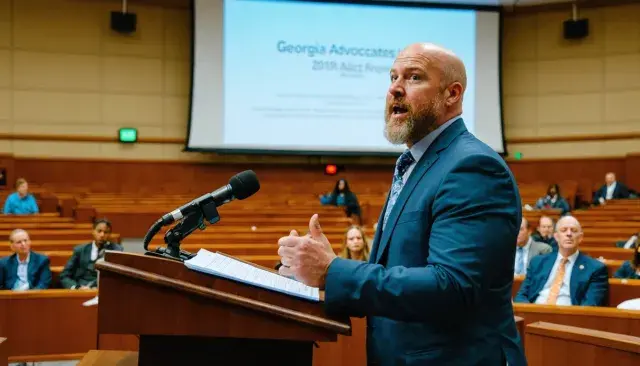

Advocates told Georgia lawmakers on Thursday that the state's tight medical cannabis restrictions block thousands of residents with chronic conditions from legal relief. Speakers at Mercer University highlighted how the 2019 Hope Act limits eligibility to terminal illnesses and non-smokable products from just three licensed dispensaries. With only about 30,000 enrolled patients, critics argue the program falls short of addressing widespread needs.
Hope Act Sets Narrow Boundaries
The Hope Act created Georgia's Low-THC Medical Cannabis Program, confining access to patients with terminal conditions who must obtain oils, edibles, or topicals from state-approved outlets. Fine Fettle, one of three such dispensaries operating in Macon, serves as a key provider under these rules. This framework emerged amid national debates over cannabis, where states balance therapeutic potential against risks of abuse and youth exposure.
Industry and Lawmakers Seek Change
Judson Hill, Georgia Market President for Fine Fettle, called for wider product options and qualifying conditions to better treat ailments. He noted that current limits drive patients to neighboring states or unregulated sources, despite safe, tested cannabis available locally. State Rep. Mark Newton, a physician chairing the House Blue Ribbon Study Committee, supports expansion but insists on safeguards, including precise medical recommendations to shield young people.
Committee Gathers Input for Reform
The committee tours Georgia to collect testimony, aiming to shape 2026 recommendations after expansion bills failed in both legislative chambers this year. Lawmakers emphasize evidence-based adjustments that expand access without compromising public safety. Broader reforms could align Georgia with other states easing medical cannabis rules, potentially reducing reliance on black markets and improving outcomes for chronic illness management.