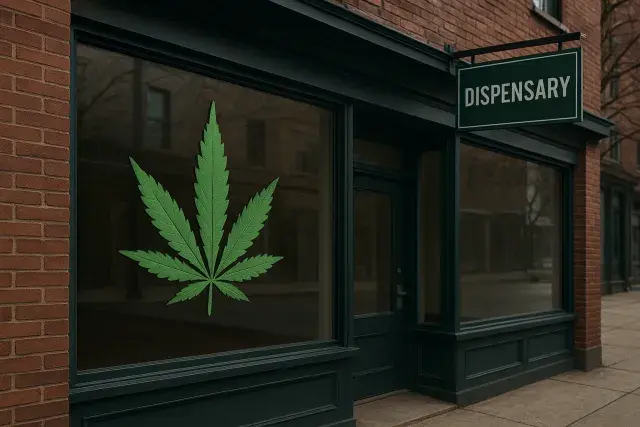
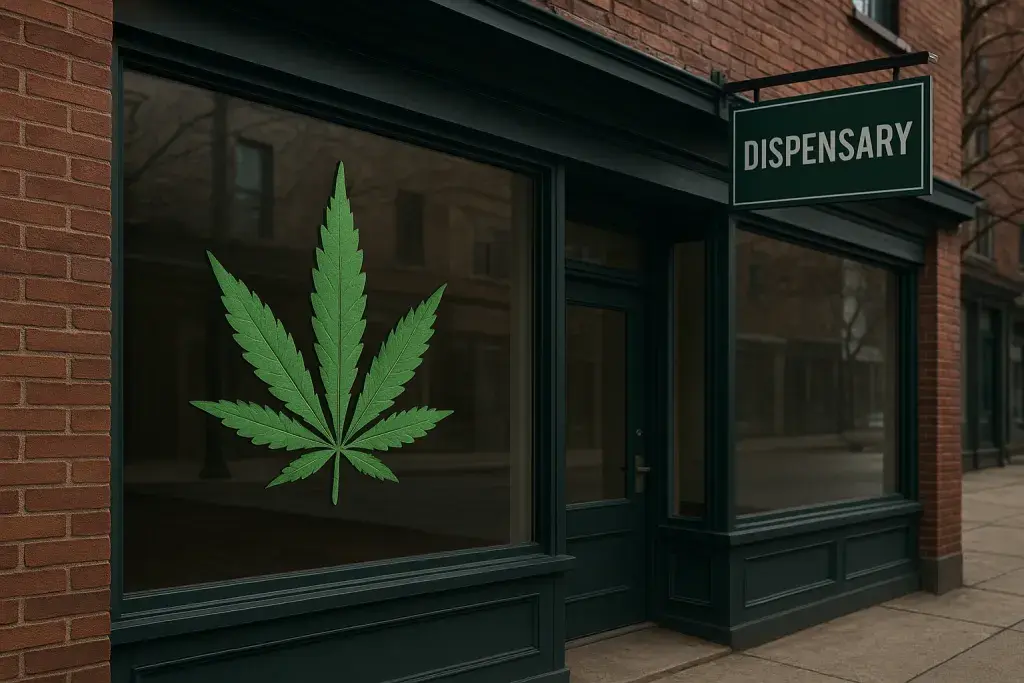
WATERTOWN - A local restaurateur turned away from opening a retail marijuana shop on Coffeen Street last December is trying again, this time eyeing a former craft beer retailer on Arsenal Street for a cannabis dispensary. Michael Sboro has filed a special-use permit application with the city Planning Department to convert the shuttered Arsenal Wine and Liquor location at 940 Arsenal St. into a licensed adult-use storefront.
The pivot from Coffeen Street to Arsenal Street says something about how retail cannabis siting works in New York State right now: it's less about finding a willing landlord and more about finding a parcel that clears local zoning, buffer-distance rules, and planning board scrutiny all at once. A defunct liquor store carries some practical advantages here - existing retail infrastructure, a history of controlled-substance sales under state licensing, and a layout already built around secure point-of-sale operations. Whatever the outcome, an operator moving into that kind of space will still need to stand up compliant systems from scratch, including a Metrc-compliant POS for New York that can handle seed-to-sale tracking, age verification, and the reporting cadence the Office of Cannabis Management expects from licensed retailers. Metrc-compliant POS for New York
Why the First Application Stalled
Municipal planning boards across New York have grown more deliberate, not less, as adult-use retail applications pile up. Coffeen Street's rejection in December wasn't disclosed in detail publicly, but the pattern is familiar statewide: proximity to schools or houses of worship, parking adequacy, neighborhood pushback, or simple zoning-district mismatches can sink a site before licensing even enters the picture. A special-use permit isn't a rubber stamp. It's a discretionary approval, and planning departments can attach conditions or deny outright if a site doesn't fit the character of the surrounding commercial corridor.
That's the operational reality dispensary hopefuls in smaller upstate cities keep running into. Arsenal Street is a heavier commercial strip than Coffeen Street in parts, which may work in Sboro's favor - but proximity buffers and local sentiment still have to clear the same hurdles a second time around.
What Repurposing a Liquor Store Actually Involves
Converting a former alcohol retailer into a cannabis dispensary sounds tidy on paper - same customer-facing retail model, same age-restricted product, same need for ID checks at the door. In practice, though, the compliance architecture is different enough to matter. Alcohol retailers answer to the State Liquor Authority; cannabis retailers answer to the Office of Cannabis Management, and the two regulatory regimes don't share infrastructure. A new operator has to build out:
- Seed-to-sale inventory tracking tied to the state's Metrc system, distinct from any alcohol inventory software previously used on-site
- Compliant packaging and labeling protocols for every product batch entering the sales floor
- Secure storage and surveillance upgrades that meet OCM's physical-security standards, which tend to be stricter than typical liquor-store requirements
- Cashless or compliant payment processing, since federal banking restrictions still complicate how dispensaries handle transactions
None of that is insurmountable, but it does mean the building's prior life as a beverage retailer only gets an operator partway there.
The Bigger Picture for Local Cannabis Retail
Watertown's experience mirrors what's playing out in mid-size cities across the state: applicants who strike out on a first site often return with a second, better-positioned proposal rather than abandoning the market altogether. For landlords sitting on vacant commercial space, that persistence is worth noting - cannabis tenants are still actively hunting for retail footprints, even after early rejections. For regulators and planning boards, it's a reminder that site selection, not licensing eligibility alone, remains the practical bottleneck slowing adult-use rollout in smaller New York communities.