North Carolina Gov. Josh Stein is telling state lawmakers they've got the wrong target. Rather than banning intoxicating hemp THC products outright, he says the legislature should be building a regulated adult-use cannabis market - one with actual age verification, product testing and consumer protections. The comments, made this week in response to Senate-passed House Bill 328, put Stein at odds with a bill his own party has been split on, and they reopen a debate that many states thought they'd already settled one way or another.
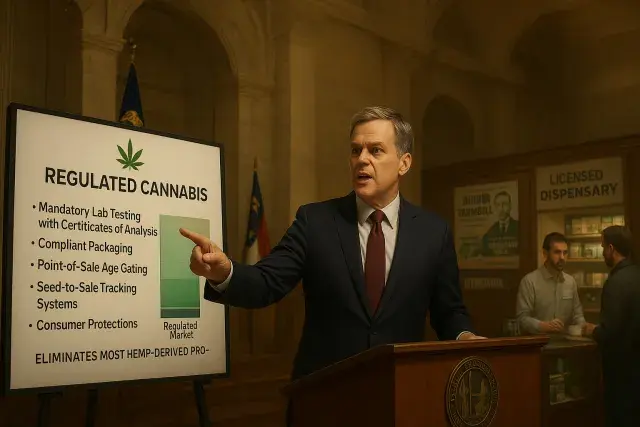
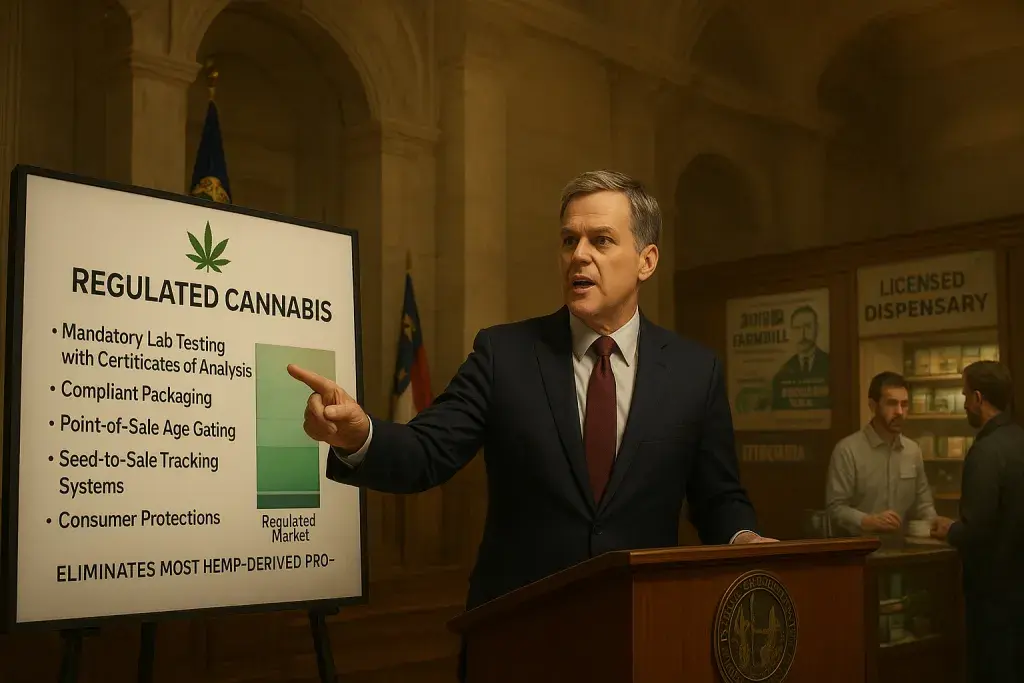
The bill in question would cap hemp products at 0.4 milligrams of THC or other intoxicating cannabinoids - a threshold so low it would effectively wipe out most hemp-derived products currently sold in North Carolina gas stations, smoke shops and convenience stores. That's the part regulators in other states have wrestled with too: how do you draw a compliance line that actually protects minors without simply pushing commerce underground? States that have built out licensed adult-use markets generally lean on infrastructure that hemp retailers often lack entirely - mandatory lab testing with certificates of analysis, compliant packaging, point-of-sale age gating, and seed-to-sale tracking systems that regulators can audit. Operators in mature markets already know this drill from the software side; platforms like Maryland seed-to-sale dispensary software exist precisely because regulators demand traceability from cultivation through the register, not just a label slapped on a bottle.
That infrastructure gap is Stein's real complaint. House Bill 328, as written, also folds in kratom - an opioid-like substance the governor bluntly called "gas station heroin" - without meaningful age restrictions for either substance. For an industry built around compliance logs and inventory audits, that's a glaring omission. Alcohol and tobacco retailers operate under strict ID-checking mandates precisely because unregulated access to intoxicating products creates liability, both moral and legal. A hemp ban that skips age gating solves nothing; it just removes the products from shelves while leaving the underlying access problem untouched.
Why Prohibition Rarely Works the Way Legislators Expect
Kevin Caldwell of the Marijuana Policy Project put it plainly: banning a product doesn't make demand disappear, it just relocates that demand to the illicit market, where there's no lab testing, no batch tracking and no compliant packaging to speak of. North Carolina hemp retailers currently operating within a gray-market framework - however loosely regulated - at least generate some visibility into what's being sold. Strip that away without a licensed alternative, and the state loses what little oversight it has.
This is the tension every state legislature eventually hits when hemp-derived THC outpaces the regulatory frameworks written for traditional marijuana. Hemp's federal legality under the 2018 Farm Bill created a product category state regulators didn't anticipate, and many states are now retrofitting rules years after retailers already built wholesale menus and supply chains around it. North Carolina is hardly alone in that scramble.
What a Delayed Vote Means for Operators
House Speaker Destin Hall's decision to delay the House vote until after the November election buys lawmakers time, but it also extends the uncertainty for hemp retailers, suppliers and any operator eyeing North Carolina's cannabis policy for signs of where the market is headed. A working group tasked with finding "the right path forward" suggests the legislature knows the current bill isn't ready - whether that means tighter age-verification requirements, licensing structures, or a broader shift toward regulated adult-use sales remains unresolved.
For businesses watching from neighboring states, the stakes are rising regardless of what North Carolina decides. Virginia's adult-use market and the Eastern Band of Cherokee Indians' dispensary in the Qualla Boundary already give North Carolina residents nearby legal access points. Caldwell's assessment - that prohibition has been "an abject failure" at protecting youth - reflects a broader argument regulators and operators alike keep making: a licensed, taxed, tested market beats an unregulated one that pretends the product doesn't exist.